
Process nodes
Represent stations, operations, inspections, decisions, and process points in the system.
SimNexus
What SimNexus represents
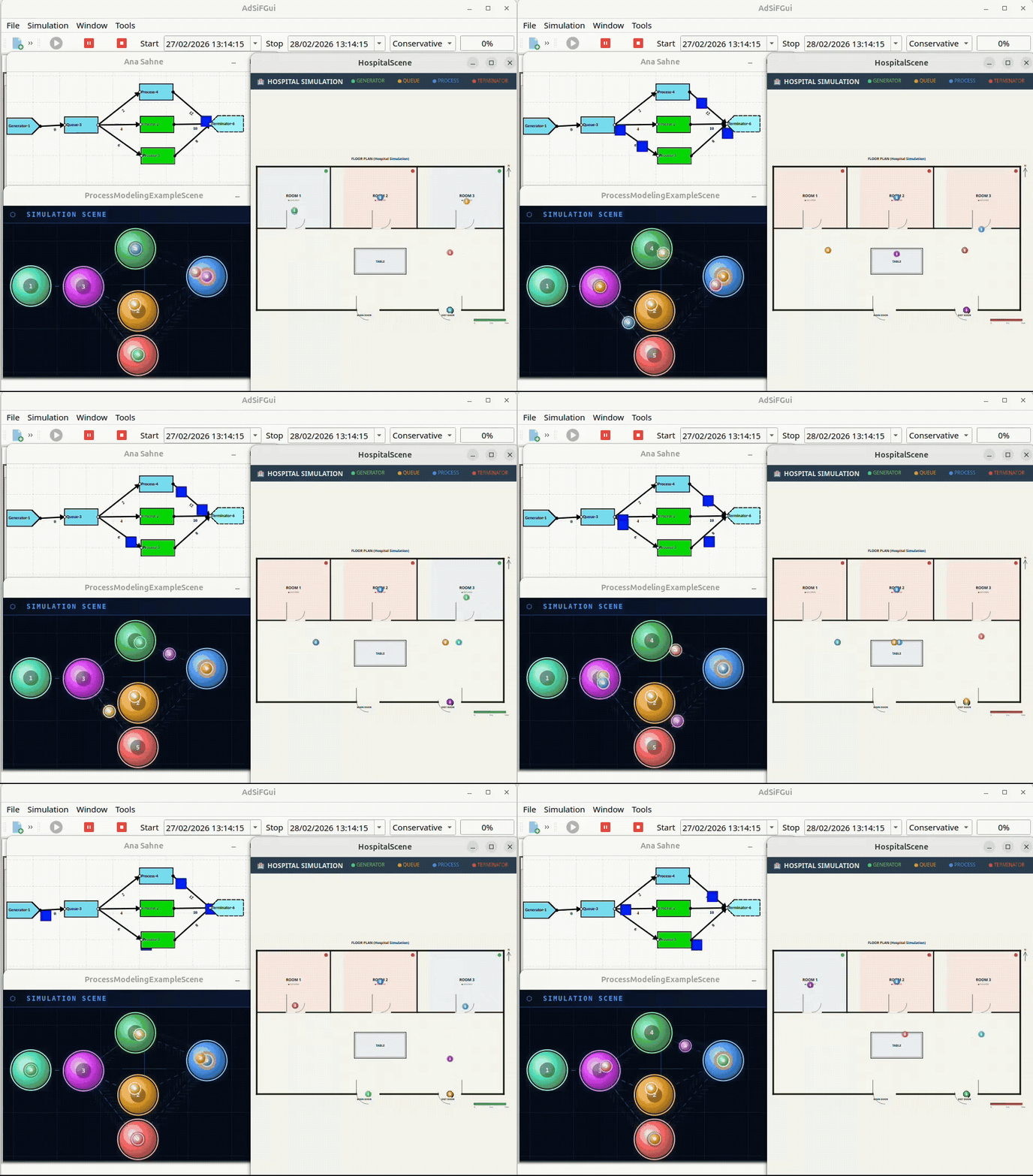
SimNexus gives industrial engineers a model vocabulary for describing how work moves through a system, where it waits, which resources it requires, and how scenarios change operational outcomes.
Represent stations, operations, inspections, decisions, and process points in the system.
Model machines, people, equipment, capacity, and availability that constrain process performance.
Capture waiting behavior, buffer pressure, work-in-process, and bottleneck formation.
Describe movement paths, branching logic, sequences, and connected process flow.
Represent manufacturing and service systems as connected production structures.
Develop alternatives for resource levels, routing rules, demand, capacity, and process changes.
Who it is for
SimNexus supports teams that need discrete event simulation, process simulation, manufacturing simulation, production line simulation, queue simulation, and scenario analysis.
Build structured simulation models for systems that include resources, waiting, and routing decisions.
Test capacity, staffing, equipment, and line design alternatives before committing changes.
Explore performance outcomes across controlled scenarios and operational assumptions.
Teach connected process modeling concepts with practical industrial engineering examples.
Inside AdSiF Studio
Use SimNexus with AdSiF Studio project files, cloud workspace access, model development, scenario development, Modelio cloud sessions, simulation run management, and desktop simulation workflows.